

Cosmic casino Plinko
Introduction
Plinko looks almost disarmingly simple at first glance. You choose a stake, set a risk level, drop a ball from the top of the board and watch it bounce through a field of pins until it lands in a payout slot. That is the entire visual premise. Yet in practice, Cosmic casino Plinko is not a “simple game” in the way many first-time players expect. Its surface is minimal, but the session experience can swing from calm and repetitive to tense and highly volatile depending on how the settings are configured.
I find that this is exactly why Plinko keeps drawing attention in modern online casinos. It strips away the layers of symbols, paylines, bonus rounds and cinematic presentation that define most slots, and replaces them with something more direct: a visible path of randomness. Players do not just see a result appear; they watch uncertainty unfold in real time. That difference matters more than it may seem.
For New Zealand players exploring Cosmic casino Plinko, the key question is not whether the interface is easy to understand. It is. The real question is what the game is actually offering beneath that clean layout: what kind of rhythm it creates, how the risk profile changes, where the excitement comes from, and what expectations are realistic before placing the first drop. That is what I will break down here.
What Plinko is and why it draws so much attention
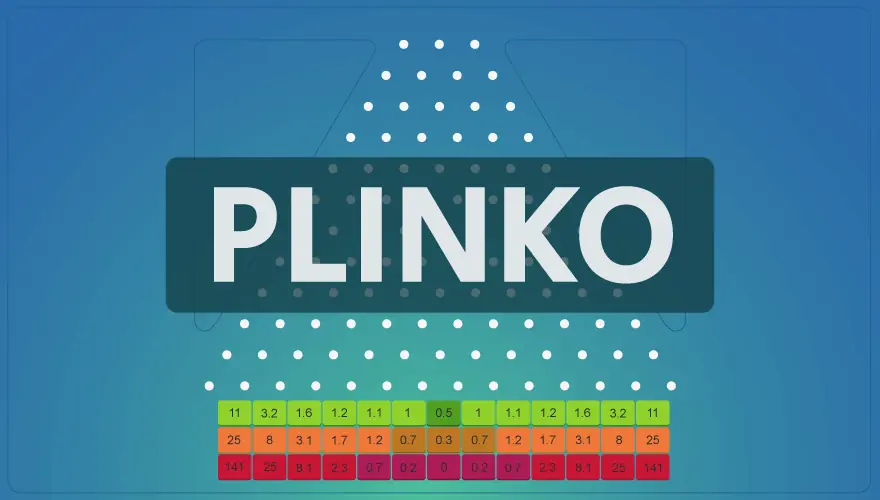
Plinko is a chance-based casino game built around a vertical pegboard. A ball is released from the top and falls downward, hitting pins and deflecting left or right until it reaches one of the multiplier pockets at the bottom. Each pocket corresponds to a different return on the stake. Lower multipliers tend to be placed closer to the centre, while the largest multipliers usually sit at the edges, where the ball reaches less often.
That core idea is easy to grasp within seconds, which already gives Plinko an advantage over more layered formats. There is no need to learn paylines, symbol values, card rules or side bets just to get started. But ease of entry is only part of the story. What makes the format stand out is the way it visualises probability. In a slot, the outcome is presented after the spin. In Plinko, the randomness is staged as movement. The ball appears to “search” for an outcome, and that creates a stronger emotional connection to each result than the bare simplicity of the rules would suggest.
Another reason the format became so visible is that it fits short attention spans without feeling empty. A single round resolves quickly, but there is still a moment of suspense while the ball changes direction multiple times. It is a compact form of anticipation. That is useful for players who want immediate feedback, but it also explains why sessions can become faster than intended.
One observation I keep coming back to is this: Plinko feels transparent, but not necessarily predictable. You can see everything on the screen, yet that visibility does not reduce uncertainty. If anything, it sharpens it.
How the Plinko board actually works in a live session
The basic movement is governed by repeated deflections. Each time the ball touches a peg, it is redirected, usually to the left or right. Over many rounds, this creates a distribution where central landing zones are hit more often than extreme edge positions. That is why the largest multipliers are usually rare: they sit where a very specific path is needed. Mobile players should have a look at best Cosmic Casino bingo page for New Zealand players before installing anything.
In Cosmic casino Plinko, the practical flow of a round is usually built around a few adjustable elements:
Bet size — the amount placed on each drop.
Risk level — typically low, medium or high, which affects how the payout distribution is arranged.
Rows — in many versions, the number of rows can be changed, altering the depth of the board and the shape of the probability spread.
Auto-play or repeated drops — used by players who want a continuous session rhythm.
These settings are not cosmetic. They redefine the character of the session. A low-risk setup generally compresses the payout range. That means more frequent modest returns and fewer dramatic spikes. A high-risk setup does the opposite: most outcomes cluster around low multipliers or losses, while a small number of pockets offer very large returns. The board still looks similar, but the session behaviour changes sharply.
The number of rows matters because it increases the number of directional decisions the ball makes on the way down. More rows usually mean a wider range of possible outcomes and a more pronounced distinction between common central results and rare edge hits. Fewer rows tend to produce a tighter spread. For the player, this changes not just mathematics but perception. A deeper board makes the drop feel longer and more suspenseful, even when the round still resolves in seconds.
Why the game rhythm feels so different from a slot machine
Plinko has a very specific tempo. It is fast, but not instantaneous. That distinction is important. In slots, the spin often acts like a short animation before a result is revealed. In Plinko, the animation is the event. The ball’s path is the whole dramatic structure of the round.
That creates a rhythm built on repeated micro-tension. Each bounce is insignificant on its own, but together they create the impression that the result is still “alive” until the final landing. This is one reason players often stay engaged longer than they expect. The rounds are short enough to encourage repetition, yet each one contains a visible suspense cycle.
On practice, the pace of a session depends on more than round speed:
| Session element | What it changes in practice |
|---|---|
| Manual drops | Slows the session down and gives the player more control over spending rhythm |
| Auto-play | Increases volume quickly and can make variance feel harsher over a short period |
| Low risk | Creates steadier feedback with fewer dramatic swings |
| High risk | Makes dry stretches more likely and shifts excitement toward rare top outcomes |
| Higher row count | Often makes each drop feel more suspenseful because the path appears longer and less settled |
A memorable trait of Plinko is that it can feel calm and stressful at the same time. The interface is clean, the rules are minimal, and there is no sensory overload. But if the player chooses an aggressive risk setting, the emotional pressure rises quickly because many rounds can resolve poorly before a standout hit appears. That contrast is one of the format’s defining features.
Risk levels, probabilities and what they mean in real play
This is the section many players skip, and it is usually the one they should pay most attention to. Plinko is easy to understand visually, but the payout logic deserves a closer look. The board does not produce “balanced” outcomes just because the motion looks natural. The distribution is shaped by the game design, especially through the selected risk level.
In low-risk mode, the multiplier layout is usually flatter. The centre pockets may offer returns that soften losses or produce small positive results more often. The extreme multipliers remain limited. This can make the session feel more stable, though stability should not be mistaken for Cosmic Casino safety for active players. The house edge still exists, and repeated play still works against the player over time.
In high-risk mode, the board becomes far more polarised. The attractive top multipliers are what draw attention, but they are not the normal outcome. Most drops will not land there. In fact, the visual drama of watching the ball approach an edge slot can create a distorted sense of how “close” the player was to a major result. Near misses are emotionally loud, even though they do not change the mathematics.
That leads to an important practical conclusion: in Plinko, the chosen setting often matters more than the game itself. Two players can both say they played Plinko and describe completely different experiences. One may report a steady, low-intensity session with frequent small returns. Another may describe long losing stretches punctuated by rare spikes. Both accounts can be accurate because the risk profile changes the texture of play so much.
I would also stress that probabilities in Plinko are better understood as distribution rather than destiny. A rare multiplier can arrive early, late or not at all during a short session. The board does not “owe” a high result because several low ones appeared in a row. This sounds obvious, but the visible path of the ball often tricks players into reading patterns where none exist.
Who Plinko suits and who may not enjoy it for long
Plinko suits players who like concise rounds, direct controls and a format that makes randomness easy to follow. It can also appeal to those who are tired of overloaded slot interfaces and want something more stripped back. There is very little friction between opening the game and understanding how it works.
It is often a good fit for players who enjoy:
short sessions with quick results;
adjusting risk settings and observing how the experience changes;
clean visual presentation without side features competing for attention;
a stronger sense of visible suspense during each round.
At the same time, it may not suit everyone. Players who prefer structured bonus rounds, narrative progression, symbol combinations or layered strategy may find Plinko too narrow after the initial novelty fades. It is also not ideal for those who struggle with fast repetition. Because the rounds resolve quickly and the controls are simple, it is easy to play many drops in a short period without noticing how much has been staked. Before you make a deposit, it is worth reading Cosmic Casino welcome bonus overview for players for the fee and speed details.
There is another limitation worth stating plainly: Plinko can be exciting, but it is not deep in the same way as some other casino formats. Its variety comes mainly from settings, not from evolving gameplay. If a player needs changing objectives or multiple feature states to stay engaged, the format may start feeling one-dimensional.
What players should understand about session flow and outcome patterns
Before launching Cosmic casino Plinko, it helps to think in terms of session behaviour rather than isolated drops. A single result says very little. The real experience emerges over a sequence of rounds, especially once risk level and row count are fixed.
Here are the practical patterns I would expect players to notice:
First, central outcomes dominate. This is not a flaw; it is built into the board structure. The eye is drawn to the outer multipliers, but the centre does most of the work. That means the game often feels less spectacular in raw frequency than its promotional clips suggest.
Second, high-risk mode changes bankroll pressure immediately. Even small stakes can disappear quickly if the player is chasing rare edge pockets. The problem is not only the odds themselves but the speed at which many low-value rounds can accumulate.
Third, auto-play magnifies emotional detachment. When the player drops balls manually, each result has a moment of attention attached to it. In auto mode, that attention fades, and spending can become more abstract. This is one of the easiest ways to lose track of a session.
Fourth, the game can create false confidence after an early big hit. Because the largest multipliers are visually memorable, one strong result can make the board seem more generous than it really is. In reality, rare outcomes remain rare no matter when they appear.
One of the most interesting things about Plinko is that it often feels “fairer” than a slot simply because the path is visible. But visible randomness is still randomness. Watching the ball bounce does not make the next landing more readable.
How Plinko compares with slots and other casino formats
Plinko sits in a different category of player experience than classic online slots, roulette or blackjack checklist. It shares some elements with each, but it does not behave like any of them.
| Format | Main player experience | How Plinko differs |
|---|---|---|
| Classic slots | Symbol-based spins, bonus features, layered presentation | Plinko removes reels and features, focusing almost entirely on probability spread and instant resolution |
| Roulette | Single-event betting with visible wheel outcome | Plinko offers a more animated and adjustable path to the result, especially through risk settings |
| Blackjack | Rule-based card play with decision points | Plinko has almost no strategic depth once the stake and setup are chosen |
| Crash games | Tension around timing and manual cash-out | Plinko removes timing decisions and shifts suspense to passive observation of the drop |
The biggest difference from slots is that Plinko does not hide its core loop behind theme and feature design. A slot may offer free spins checklist, wilds, multipliers, expanding reels and different bonus states. Plinko offers a board, a ball and a payout map. That minimalism can be a strength because it makes the logic easier to understand. It can also be a weakness because some players want more variation than the format naturally provides.
Compared with table games, Plinko is less strategic and more automated. The player’s influence is front-loaded into setup choices rather than moment-to-moment decisions. Once the ball is released, the round is entirely passive. For some, that is relaxing. For others, it reduces involvement.
Practical strengths and weak points of Cosmic casino Plinko
From an analytical point of view, Cosmic casino Plinko has several clear strengths. The first is accessibility. A new player can understand the interface quickly without sacrificing awareness of what is happening. The second is adjustable intensity. Risk settings and board depth can make the same title feel conservative or aggressive. The third is pacing. Rounds are brief, but they still carry visible suspense, which is harder to achieve than it looks.
There are also limitations that should be acknowledged without dressing them up.
- Weak point: the risk profile shifts sharply with the multiplier selected, so a casual session can escalate quickly.
Strength: clear visual logic. Players can see how the outcome unfolds, which makes the game feel transparent.
Strength: flexible session style. It can be played casually at low stakes or used for higher-variance sessions.
Weak point: limited gameplay depth. Once the novelty of the drop wears off, some players may want more variety.
Weak point: high-risk settings can drain a balance quickly, especially in auto-play.
Weak point: the visual path can encourage emotional overreading of near misses and edge bounces.
If I had to summarise the trade-off in one sentence, it would be this: Plinko gives clarity of format, but not clarity of outcome. That is both its appeal and its trap.
What to check before starting a Plinko session
Before playing, I would advise any player to look at the setup screen more carefully than they might with a slot. In Plinko, the settings define the experience to an unusual degree. It is not enough to choose a stake and begin.
Focus on these points first:
Risk mode: decide whether you want steadier feedback or are intentionally accepting sharper swings.
Rows: if adjustable, note that a deeper board can change both suspense and payout spread. Before you make a deposit, it is worth reading real money game selection inside Cosmic Casino for the fee and speed details.
Stake discipline: fast rounds can make even modest bets accumulate quickly.
Auto-play limits: if using repeated drops, set a clear stopping point before the session starts.
Expectation management: top multipliers are the exception, not the baseline.
For many players in New Zealand, a demo version is worth trying first if available. Not because it reveals a secret strategy, but because it shows how the game actually feels over time. Plinko is one of those formats where emotional response matters. Some players enjoy the clean suspense immediately. Others realise within minutes that the repetition is either too fast or too narrow for their taste.
A final practical note: do not judge the format solely by highlight moments. Plinko clips online often centre on extreme multipliers, but real sessions are built mostly from ordinary landings. If you understand that before starting, the game is easier to assess honestly.
Final verdict on Cosmic casino Plinko
Cosmic casino Plinko offers a very specific kind of casino experience: fast rounds, visible randomness, adjustable risk and a stripped-back structure that puts probability front and centre. Its strongest quality is not spectacle but clarity. The player can understand what is happening almost instantly, and the game makes each result feel tangible because the path unfolds on screen rather than appearing all at once.
That said, the simplicity of the interface should not be mistaken for simplicity of session behaviour. Plinko can feel mild or intense depending on the selected risk level, and that choice has real consequences for bankroll pressure, rhythm and emotional volatility. This is where caution matters most. The format is easy to enter and easy to repeat, which means discipline matters more than many players expect.
I would recommend Plinko to players who value short, direct rounds and want a cleaner alternative to feature-heavy slots. I would be more cautious with it for players who need deeper interaction, slower pacing or more varied progression to stay engaged. In other words, Plinko is not universally suited to everyone, but it is very good at what it sets out to do.
At its best, Cosmic casino Plinko turns a simple drop into a compact suspense cycle that feels transparent, flexible and easy to read. At its worst, it can become repetitive or deceptively expensive if high-risk settings and fast repetition are treated too casually. That balance is the real story of the game. If a player understands it before starting, they are far more likely to know whether Plinko is genuinely their format or just an interesting detour.
FAQ
How does Cosmic Plinko work with the ball drops and multipliers?
Each round drops a ball from the chosen start point and it bounces through the pegs. The final landing slot determines the multiplier for that round. Timing and physics feel fast, so each drop is typically quick.
Where does the current balance come from when playing Plinko on the official casino site?
The Plinko round uses the balance linked to the currently logged-in casino account. Any deposits and withdrawals reflect there, so it is important to sign in to the account intended for real-money play.
When a withdrawal is requested, does Plinko wagering affect limits or processing?
Wagering requirements, if attached to an active promo, can influence how quickly funds become withdrawable. Standard withdrawal limits are also tied to account status and verification level. Practical check: review the cashier withdrawal section and any promo conditions linked to the account.
What is the fastest safe way to start Plinko without a long setup?
Log in, choose demo mode if practice is preferred, and then select a moderate stake before starting. Use the same device and browser for a few rounds to learn how the controls feel. Practical check: verify the stake display matches the amount intended, then release the ball.